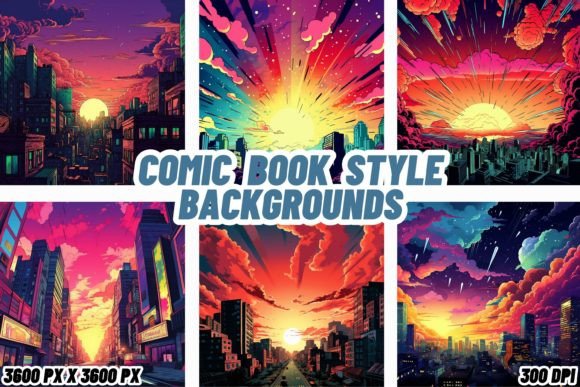
Comic Book Style Backgrounds: A Design Power-Up
There’s an immediate, visceral energy to the world of comic books. It’s a language of bold lines, explosive action, and vibrant color that communicates emotion and narrative in a single frame. This isn't just nostalgia; it's a powerful visual shorthand. When you bring Comic Book Style Backgrounds into your design toolkit, you're not just adding a pretty picture. You're injecting a dose of that raw, kinetic storytelling directly into your brand or project. Think of it as a visual power-up for your digital presence.
These aren't your standard, passive desktop images. A true comic book style background is characterized by its dynamism. You'll see the classic halftone dots, the dramatic "POW" and "BAM" starburst shapes, and the heavy, confident ink lines that define the genre. The color palettes are often bold and high-contrast, using CMYK-inspired hues to create that authentic print feel. The personality is unapologetically energetic, playful, and slightly retro, yet it carries a professional weight when used with intention. It’s a style that commands attention without shouting, drawing the viewer into a story that feels both familiar and excitingly new.
Where This Style Truly Shines
The versatility of a well-crafted comic book aesthetic is one of its greatest strengths. It’s a design asset that can cross boundaries, but its effectiveness depends entirely on context. For entrepreneurs and small business owners in specific niches—think custom apparel, retro gaming, specialty coffee, or creative agencies—it can become a cornerstone of your brand identity. Imagine a logo design that incorporates a subtle halftone texture or a starburst accent; it immediately communicates a brand that's bold, creative, and doesn't take itself too seriously.
In marketing and social media, these backgrounds are gold. A product shot for a new energy drink or a bold graphic tee set against a dynamic, comic-inspired scene instantly grabs the scroll. It creates a visual hierarchy where your product is the hero of the story. For content creators and bloggers, a Zoom background with a stylized cityscape or an abstract action panel can make a standard video call feel like a live broadcast from a secret headquarters. It’s about adding a layer of personality and professionalism that generic virtual backgrounds can't match.
Even in more traditional print and editorial design, a touch of this style can be transformative. A magazine layout for a music festival, a poster for a community event, or the packaging design for a quirky snack brand can leverage these visuals to create immediate shelf appeal and emotional connection. The key is to see it not as a gimmick, but as a deliberate stylistic choice that aligns with your message and audience.
Making It Work: Practical Guidance for Your Projects
So, how do you harness this energy without overwhelming your project? Start by evaluating the fit. Comic Book Style Backgrounds are a form of display font in visual form—designed for impact, not for long paragraphs of body copy. Use them for hero images, section dividers, or feature callouts. Pair them with clean, modern typography. A bold sans serif font for headlines and a highly readable serif or sans serif for body text can create a perfect balance, letting the background provide the energy while the type ensures clarity.
When testing, consider the visual hierarchy. Does the background support your main message or compete with it? Sometimes, a full, vibrant background is perfect. Other times, using a cropped section, reducing the opacity, or applying a color overlay might be more effective. Pay attention to readability. If you're placing text over a complex background, ensure there's sufficient contrast. A simple dark gradient or a semi-transparent shape behind your text can make all the difference.
Finally, always check the licensing for any commercial font or design asset you use. Most premium resources come with clear guidelines for commercial use, which is essential for entrepreneurs and designers working on client projects. By thoughtfully integrating these dynamic visuals, you can create a brand identity that’s not only seen but felt—a memorable, engaging experience that tells a compelling story with every pixel.